
Understanding the Odds
When it comes to casino gambling, many people are under the misconception that they can predict outcomes based on previous results. This notion often leads players to believe in “hot” or “cold” streaks, thinking that a particular machine or table will suddenly pay out based on prior patterns, especially at a fast withdrawal casino where transactions can happen quickly and smoothly. In reality, each game operates independently of the last, governed by random number generators that ensure fair and unpredictable outcomes. Players chasing these perceived streaks often find themselves disappointed, leading to unnecessary losses.
Additionally, the house always has a mathematical edge in every game offered in a casino. Whether it is slot machines, blackjack, or roulette, the odds are designed to favor the establishment over time. For example, while it is possible to win in the short term, the long-term statistics show that players will lose more than they win due to the built-in house edge. Understanding these odds is crucial for setting realistic expectations and managing one’s gambling experience effectively.
Educating oneself about the actual odds can also empower players to make informed decisions about which games to play and how to manage their bankroll. For instance, knowledge about games with lower house edges, like blackjack or video poker, can lead to a more favorable gambling experience. Recognizing that casino games are designed primarily for entertainment rather than a guaranteed path to wealth can greatly enhance a player’s mindset and enjoyment while gambling.
The Allure of Winning Strategies
One of the biggest myths in casino gambling is the belief that there are foolproof strategies to guarantee wins. Many players invest time and money into learning systems or strategies that claim to beat the games, such as card counting in blackjack or betting systems like Martingale. While some strategies may enhance a player’s chances of winning in certain situations, no strategy can overcome the inherent randomness of casino games. Relying solely on these methods can lead to frustration and significant financial losses.
For example, while card counting can provide an edge in blackjack when executed flawlessly, it requires immense skill, practice, and, importantly, the ability to avoid detection by casino staff. Even with the best technique, the randomness of card dealing can nullify any advantage. Understanding that no strategy is infallible is essential for players wishing to engage in responsible gambling. Players should prioritize fun over profit instead of getting bogged down by unattainable winning formulas.
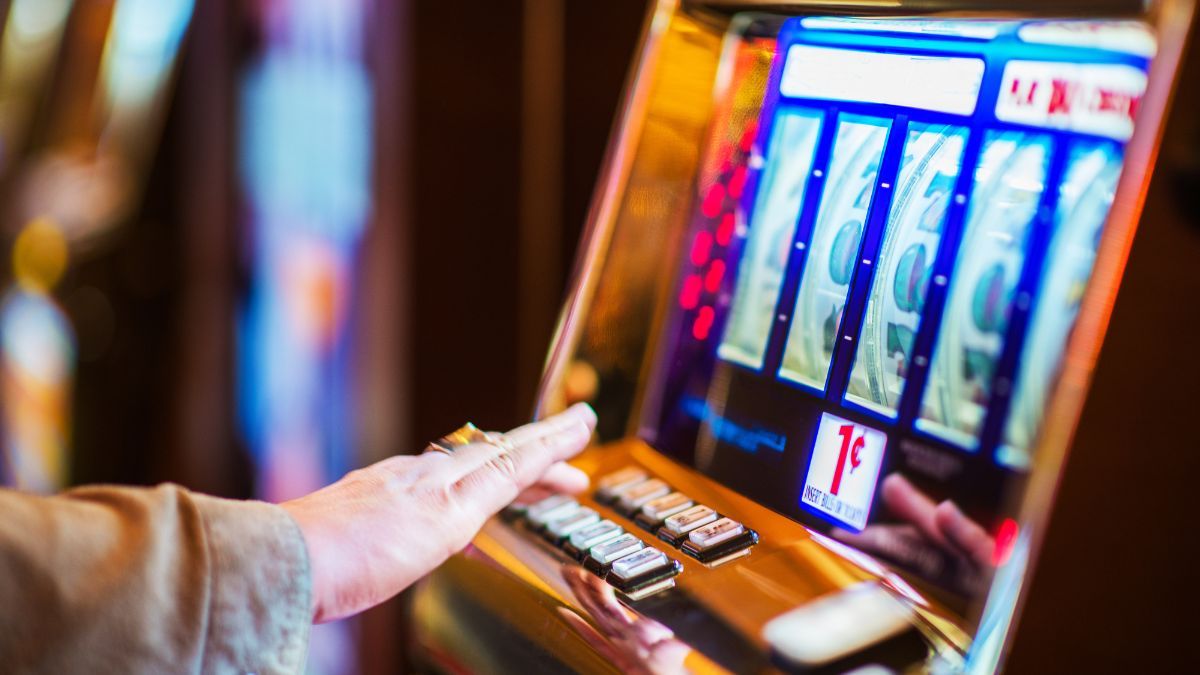
Moreover, understanding the psychological aspect of gambling can shed light on why players chase these myths. The excitement of winning can cloud judgment, leading to compulsive gambling behaviors. Recognizing that emotions can influence decision-making is vital. Adopting a mindset focused on entertainment rather than profit is key to a positive gaming experience, allowing players to appreciate their time at the casino without the pressure of achieving constant wins.
The Role of Luck in Gambling
Luck plays a significant role in the gambling experience, and many players overestimate its importance due to skewed perceptions shaped by anecdotes or media portrayals. While every game does involve an element of chance, the reality is that skill, strategy, and informed decision-making play a vital role in the potential for success. Gamblers who understand the interplay between luck and skill can better navigate their gaming experience and avoid making impulsive bets driven solely by the hope of luck.
For instance, in games like poker, players must master various skills, including probability assessment and psychological tactics, to succeed. This contrasts with pure games of chance, like slot machines, where luck predominantly determines the outcome. Understanding this distinction can empower players to choose games that align with their skill levels and preferences, enhancing their overall enjoyment and potential for success.
Ultimately, embracing the concept of luck as an ever-present variable rather than a guaranteed factor can lead to a more balanced approach to gambling. Accepting that outcomes are inherently uncertain helps players manage their expectations and enjoy the thrill of the game. The idea that luck will always favor the player is a dangerous myth; instead, recognizing the randomness of gambling outcomes can lead to more informed and responsible gambling practices.
Casino Promotions and Loyalty Programs
Many casinos offer various promotions and loyalty programs designed to attract and retain players. These incentives often lead to the myth that players can consistently profit through bonus offers, free spins, or loyalty points. While promotions can enhance the gaming experience and provide additional opportunities to win, they also come with terms and conditions that can be misleading. Understanding the fine print is essential before signing up for any loyalty program or promotion.
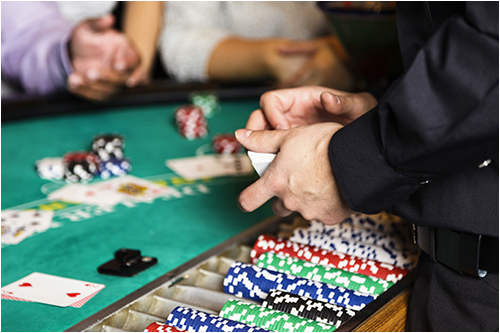
For example, bonus offers often come with wagering requirements that players must meet before any winnings can be withdrawn. This means that players might need to spend significantly more than the bonus amount to access their winnings. Many players overlook these requirements in their excitement to claim free money, leading to disillusionment when they realize how much they need to wager before they can cash out their earnings. Being educated about these requirements can prevent disappointment and financial mismanagement.
Furthermore, loyalty programs can sometimes create a false sense of security, making players feel that they are entitled to win simply because they are frequent visitors. While these programs reward consistent play, they are not a guarantee of profit. Instead, successful gambling should be viewed through the lens of entertainment value rather than loyalty rewards. Being mindful of the actual value of promotions can lead to a more enjoyable experience within the casino environment.
Responsible Gambling and Player Awareness
With the excitement and allure of casino gambling, it is crucial to promote responsible gambling practices. Many players fall victim to myths that lead them to chase losses or engage in gambling behavior that can have detrimental effects on their lives. Educating oneself about responsible gambling is not just beneficial; it is essential for maintaining a healthy relationship with gambling activities. This includes setting strict time limits and wagering amounts and being aware of the signs of addiction.
Creating a plan before entering a casino can significantly impact the gambling experience. Players should establish a budget that they can afford to lose and stick to it, treating any money spent on gambling as entertainment costs rather than investment. Recognizing the signs of problem gambling and seeking help when necessary is vital for maintaining mental and financial health. Many organizations offer resources and support for those who may be struggling with gambling-related issues.
Setting personal limits and cultivating a balanced approach to gambling can enhance the overall experience, ensuring that it remains a form of entertainment rather than a source of stress. Encouraging open conversations about gambling habits and experiences within social circles can also foster a more thoughtful approach to gambling, helping to dispel myths and promote a culture of responsible play. In the end, successful gambling hinges on awareness and education, ensuring that players can enjoy their time without falling into the trap of harmful misconceptions.